Katsumi Watanabe – Gangs of Kabukicho
Dans
le magnifique recueil consacré au travail de Katsumi Watanabe à Kabukicho (PPP
Editions, 2006), on trouve cette très belle préface de lizawa
Kotaro qui éclaire sur l’étrange profession de « photographe de
rue » mais aussi sur l’histoire de Shinjuku et de son quartier des
plaisirs.
le magnifique recueil consacré au travail de Katsumi Watanabe à Kabukicho (PPP
Editions, 2006), on trouve cette très belle préface de lizawa
Kotaro qui éclaire sur l’étrange profession de « photographe de
rue » mais aussi sur l’histoire de Shinjuku et de son quartier des
plaisirs.

Shinjuku’s Photographer – Watanabe Katsumi by lizawa
Kotaro
Kotaro
Watanabe Katsumi’s workplace during the 1960s and 70s
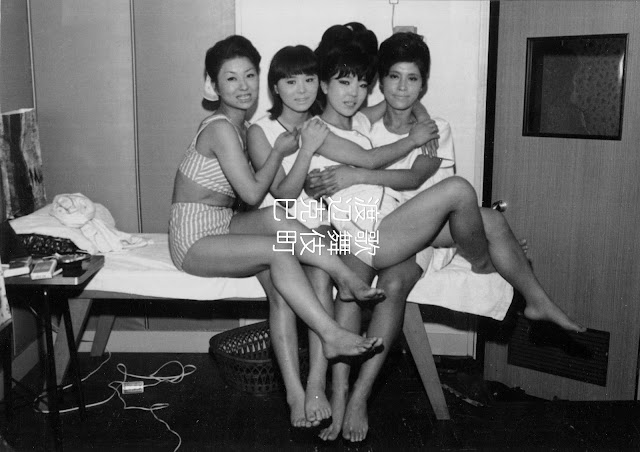
was the living streets of Kabukicho in Shinjuku. Each night he went out into
the neighborhood, working as a photographer, taking portraits and selling them,
« three pictures for 200 yen. » These pictures, in staggering volume,
cast an overwhelming spell on the viewer; they embody miraculous power.
was the living streets of Kabukicho in Shinjuku. Each night he went out into
the neighborhood, working as a photographer, taking portraits and selling them,
« three pictures for 200 yen. » These pictures, in staggering volume,
cast an overwhelming spell on the viewer; they embody miraculous power.
Watanabe Katsumi was born in 1941, in Morioka City of
Iwate Prefecture, some 600 kilometers north of Tokyo. His family was poor, and
after graduating middie school, he helped support them by working as an
assistant at the Morioka City bureau of the Mainichi Shimbun, a national
newspaper. The duties of such assistants, dubbed children were varied;
sometimes Watanabe developed and printed photographs. Gradually, he became
fascinated with the medium.
Iwate Prefecture, some 600 kilometers north of Tokyo. His family was poor, and
after graduating middie school, he helped support them by working as an
assistant at the Morioka City bureau of the Mainichi Shimbun, a national
newspaper. The duties of such assistants, dubbed children were varied;
sometimes Watanabe developed and printed photographs. Gradually, he became
fascinated with the medium.
Watanabe moved to Tokyo in 1962 and joined Tojo
Kaikan, the legendary portrait photography studio near the Imperial Palace. At
the time, vestiges of the apprenticeship System persisted at photo studios and
Watanabe had to survive a grueling training regimen, which began with rinsing
photo paper, before they allowed him to actually make prints himself. Once he
mastered the technique, he began to feel restless with the mechanical part of
the production process.
Kaikan, the legendary portrait photography studio near the Imperial Palace. At
the time, vestiges of the apprenticeship System persisted at photo studios and
Watanabe had to survive a grueling training regimen, which began with rinsing
photo paper, before they allowed him to actually make prints himself. Once he
mastered the technique, he began to feel restless with the mechanical part of
the production process.
Around that time, he became attracted by the work of
Mr. S., an acquaintance who worked as a street photographer in Kabukicho.
Visiting S.’s room, Watanabe saw rows of photographic prints from the previous
day’s work lined up on tatami mats: « They looked like money to me. »
Besides S., there were three or four other street photographers who were
regulars in Shinjuku, they had worked there since World War II, when it was
hosting black markets in its ruins.
Mr. S., an acquaintance who worked as a street photographer in Kabukicho.
Visiting S.’s room, Watanabe saw rows of photographic prints from the previous
day’s work lined up on tatami mats: « They looked like money to me. »
Besides S., there were three or four other street photographers who were
regulars in Shinjuku, they had worked there since World War II, when it was
hosting black markets in its ruins.
Watanabe learned the basics of the trade from S., and,
borrowing a camera and strobe light, he began working as a street photographer
in the entertainment districts of Shibuya, Shinbashi and Ueno. Soliciting bar
hostesses and cabaret busboys before working hours, he would photograph them
and sell them the prints. As his customers increased, he could no longer keep
his position at Tojo Kaikan, and in 1967, he quit his job and began working
exclusively as a street photographer.
borrowing a camera and strobe light, he began working as a street photographer
in the entertainment districts of Shibuya, Shinbashi and Ueno. Soliciting bar
hostesses and cabaret busboys before working hours, he would photograph them
and sell them the prints. As his customers increased, he could no longer keep
his position at Tojo Kaikan, and in 1967, he quit his job and began working
exclusively as a street photographer.
With S.’s permission, Watanabe began to photograph in
lucrative Shinjuku. Through 1968, he commuted to Kabukicho nearly every night.
Watanabe said his peak years of success, when he produced some of his best
portraits, were between 1968 and 1970. In those days, cameras with strobe
lights were still rare and Watanabe’s beautiful photographs were popular. Some
subjects wanted to send them to their families back home, others wanted to
mount them on wooden panels and hang them in their establishments. His
customers were picky about how they posed, but Watanabe was accommodating and
formed warm ties with them, as if they were family.
lucrative Shinjuku. Through 1968, he commuted to Kabukicho nearly every night.
Watanabe said his peak years of success, when he produced some of his best
portraits, were between 1968 and 1970. In those days, cameras with strobe
lights were still rare and Watanabe’s beautiful photographs were popular. Some
subjects wanted to send them to their families back home, others wanted to
mount them on wooden panels and hang them in their establishments. His
customers were picky about how they posed, but Watanabe was accommodating and
formed warm ties with them, as if they were family.
In the 1970s, the atmosphere of the Shinjuku streets
changed; the predominantly one or two story buildings were demolished and
replaced with taller buildings. The rich human connections that occurred in
easily accessible ground floor establishments became strained when they moved
to the upper floors. Compact cameras with built-in strobes became increasingly
popular and street photographers’ customers dwindled. Watanabe’s work entered a transitional period.
changed; the predominantly one or two story buildings were demolished and
replaced with taller buildings. The rich human connections that occurred in
easily accessible ground floor establishments became strained when they moved
to the upper floors. Compact cameras with built-in strobes became increasingly
popular and street photographers’ customers dwindled. Watanabe’s work entered a transitional period.
Shoji, the editor of Camera Mainichi, and applied to
Album 73, a Camera Mainichi, project that solicited photographs from the
general public. His acceptance leads to a significant shift in his status as a
photographer. Watanabe’s seven-page spread Shinjuku Kabukicho, » in the
June, 1973 issue, received the Album Prize, awarded for the best photographs of
the year, and his name became widely known.
Album 73, a Camera Mainichi, project that solicited photographs from the
general public. His acceptance leads to a significant shift in his status as a
photographer. Watanabe’s seven-page spread Shinjuku Kabukicho, » in the
June, 1973 issue, received the Album Prize, awarded for the best photographs of
the year, and his name became widely known.
1973 was also the year that Watanabe’s first
photographic book, Shinjuku Guntoden 66/73, [Shinjuku; The Story of a Band of
thieves 66/73] published by Camera Mainichi (in association with Barakei
Gahosha) and edited by Nishii Kazuo, was realized. In January 1974 his solo
show, « Hatsunozoki Yoru no Daifukumaden » [First Peek at the Nocturnal
Demon’s Lair] dazzled visitors to the Shimizu Gallery, where innumerable photos
were pasted on every surface, including the floor and ceiling.
photographic book, Shinjuku Guntoden 66/73, [Shinjuku; The Story of a Band of
thieves 66/73] published by Camera Mainichi (in association with Barakei
Gahosha) and edited by Nishii Kazuo, was realized. In January 1974 his solo
show, « Hatsunozoki Yoru no Daifukumaden » [First Peek at the Nocturnal
Demon’s Lair] dazzled visitors to the Shimizu Gallery, where innumerable photos
were pasted on every surface, including the floor and ceiling.
And yet, although his photographs were critically
acclaimed, his commercial prospects in Shinjuku did not recover. As a
consequence Watanabe temporarily stopped working as a street photographer and
sold roasted sweet potatoes in the streets. In 1976, he picked up where he had
left off and opened a small studio in Higashi Nakano, two stations away from
Shinjuku. He managed his studio for five years but continued to visit Kabukicho
at night.
acclaimed, his commercial prospects in Shinjuku did not recover. As a
consequence Watanabe temporarily stopped working as a street photographer and
sold roasted sweet potatoes in the streets. In 1976, he picked up where he had
left off and opened a small studio in Higashi Nakano, two stations away from
Shinjuku. He managed his studio for five years but continued to visit Kabukicho
at night.
After folding his studio in the early 80s, Watanabe
made ends meet with magazine assignments and successfully published tree books:
Discology, a selection of photographs he made in discotheques along with text
he wrote about h’s experiences, and a revised edition of his first book
Shinjuku: The Story of a Band of Thieves, also accompanied by his own
recollections and series. They were both published in 1982 as part of a series
by Bansei-sha. And later on, in 1997, Shinchosha published a hefty, 500-page
retrospective monograph titled simply: Shinjuku 1965-97.
made ends meet with magazine assignments and successfully published tree books:
Discology, a selection of photographs he made in discotheques along with text
he wrote about h’s experiences, and a revised edition of his first book
Shinjuku: The Story of a Band of Thieves, also accompanied by his own
recollections and series. They were both published in 1982 as part of a series
by Bansei-sha. And later on, in 1997, Shinchosha published a hefty, 500-page
retrospective monograph titled simply: Shinjuku 1965-97.
Anyone who sees Watanabe’s photographs of Shinjuku –
especially those taken between the late 60s and throughout the 70s – will feel
powerfully drawn into that world. To help understand the energy they radiate,
the source of their charm, we cannot overlook the history of Shinjuku.
especially those taken between the late 60s and throughout the 70s – will feel
powerfully drawn into that world. To help understand the energy they radiate,
the source of their charm, we cannot overlook the history of Shinjuku.
In 1698 a new station was established along the
Koshukaido Road, one of five major arteries leading from Edo (now Tokyo) to the
provinces. This is how Shinjuku was born; it flourished as a way station for
travelers, where inns jostled or space and eating and drinking establishments.
During the Meiji Era [1868-1912], railroad stations (on what are now the
Yamanote and Chuo lines) were built in Shinjuku. Later, as the private rail
lines of Odakyu, Keio and Seibu linked the city center with Tokyo suburbs,
Shinjuku developed into a leading entertainment hub. Department stores, movie
theatres, cafes, and bookstores all thrived there ; during the 1920s, Shinjuku
became the center of modernist culture in Japan.
Koshukaido Road, one of five major arteries leading from Edo (now Tokyo) to the
provinces. This is how Shinjuku was born; it flourished as a way station for
travelers, where inns jostled or space and eating and drinking establishments.
During the Meiji Era [1868-1912], railroad stations (on what are now the
Yamanote and Chuo lines) were built in Shinjuku. Later, as the private rail
lines of Odakyu, Keio and Seibu linked the city center with Tokyo suburbs,
Shinjuku developed into a leading entertainment hub. Department stores, movie
theatres, cafes, and bookstores all thrived there ; during the 1920s, Shinjuku
became the center of modernist culture in Japan.
But there was another face to Shinjuku. Before World
War II, in contrast to the celebrated world of glamorous consumer culture the
reclaimed swampland on the north side of the station had given rise to
specialty eating and drinking establishments that also provided sexual
services. Shinjuku was devastated by the war but its resurrection from the
ruins was swift. Off the main boulevards in a warren of bars, illegal
prostitutes entertained their clients on second floors, and the area came to be
known as the Blue Light district (in contrast to a Red Light district where
prostitution was legal). So, the two faces of Shinjuku, the front and the back,
the light and the dark, the commercial district and the sexual entertainment
district co-existed.
War II, in contrast to the celebrated world of glamorous consumer culture the
reclaimed swampland on the north side of the station had given rise to
specialty eating and drinking establishments that also provided sexual
services. Shinjuku was devastated by the war but its resurrection from the
ruins was swift. Off the main boulevards in a warren of bars, illegal
prostitutes entertained their clients on second floors, and the area came to be
known as the Blue Light district (in contrast to a Red Light district where
prostitution was legal). So, the two faces of Shinjuku, the front and the back,
the light and the dark, the commercial district and the sexual entertainment
district co-existed.
Immediately after the war, there was talk of creating
a Kabuki Theater in Shinjuku, like the original in Ginza. Although the project
never materialized the area was then dubbed Kabukicho. The idea of situating
Kabuki, already solidly established as Japanese classical entertainment near
the Blue Light district, was preposterous. Nevertheless, Kabukicho continued to
develop as a gigantic nightlife district centered on the sex trade. Along the
way, Kabukicho began to be known as Nihon no kahanshin [Japan from the
waist-down].
a Kabuki Theater in Shinjuku, like the original in Ginza. Although the project
never materialized the area was then dubbed Kabukicho. The idea of situating
Kabuki, already solidly established as Japanese classical entertainment near
the Blue Light district, was preposterous. Nevertheless, Kabukicho continued to
develop as a gigantic nightlife district centered on the sex trade. Along the
way, Kabukicho began to be known as Nihon no kahanshin [Japan from the
waist-down].
The Kabukicho area of Shinjuku was Watanabe’s stomping
ground. He felt an affection for the hard-bitten survivors that inhabited its
streets, surviving on violence and Eros; with the sympathies of an insider
Watanabe went about his business with ease.
ground. He felt an affection for the hard-bitten survivors that inhabited its
streets, surviving on violence and Eros; with the sympathies of an insider
Watanabe went about his business with ease.
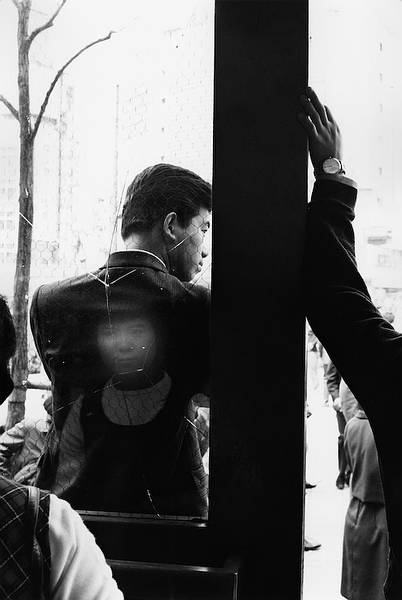
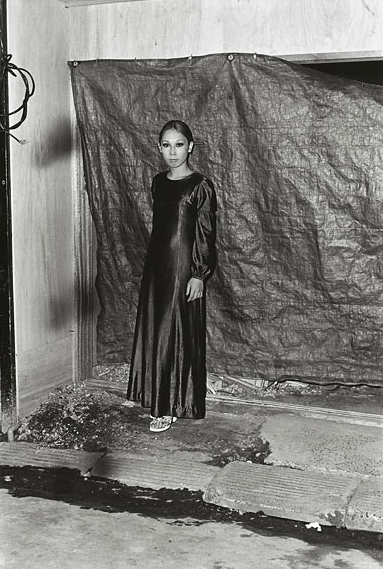
The subjects of Watanabe’s photographs are always
clearly aware they’re being photographed; their poses present their innate body
language. Watanabe was fond of saying « All Shinjuku is a stage. » His
strobe managed to illuminate the essential vulnerability that lurked beneath
his subjects’ blustery performance.
clearly aware they’re being photographed; their poses present their innate body
language. Watanabe was fond of saying « All Shinjuku is a stage. » His
strobe managed to illuminate the essential vulnerability that lurked beneath
his subjects’ blustery performance.
In the mid-1970s, as Watanabe’s Shinjuku clients began
to dwindle, one of his resident models exhorted him, « Nabe-chan (his
nickname) take our pictures, save them as mementos! » Kabukicho today is
hardly recognizable as the area where Watanabe once worked as a street
photographer. Since the 1990s, as Chinese and Koreans have made their way into
the neighborhood, its population has grown increasingly heterogeneous: in some
areas forests of signs are posted in languages other than Japanese. The young
people’s carefree looks, as they chatter on their cell phones and walk down the
streets, betray no trace of the past.
to dwindle, one of his resident models exhorted him, « Nabe-chan (his
nickname) take our pictures, save them as mementos! » Kabukicho today is
hardly recognizable as the area where Watanabe once worked as a street
photographer. Since the 1990s, as Chinese and Koreans have made their way into
the neighborhood, its population has grown increasingly heterogeneous: in some
areas forests of signs are posted in languages other than Japanese. The young
people’s carefree looks, as they chatter on their cell phones and walk down the
streets, betray no trace of the past.
But step into the back alleys and there is a distinct
sense that marginal characters are still lurking about. Although significantly
reduced in scale, nightlife areas such as Golden Gai still retain vestiges of
the postwar black markets and Blue Light districts. No doubt Shinjuku will
continue to transform itself like a giant creature perpetually in flux, a fate
shared by many cultural centers of great cities.
sense that marginal characters are still lurking about. Although significantly
reduced in scale, nightlife areas such as Golden Gai still retain vestiges of
the postwar black markets and Blue Light districts. No doubt Shinjuku will
continue to transform itself like a giant creature perpetually in flux, a fate
shared by many cultural centers of great cities.
Watanabe Katsumi died on January 29, 2006 at the age
of 64.
of 64.
This essay is based on the last interview he made in
his office in Roppongi, Tokyo, on December 13, 2005.
his office in Roppongi, Tokyo, on December 13, 2005.
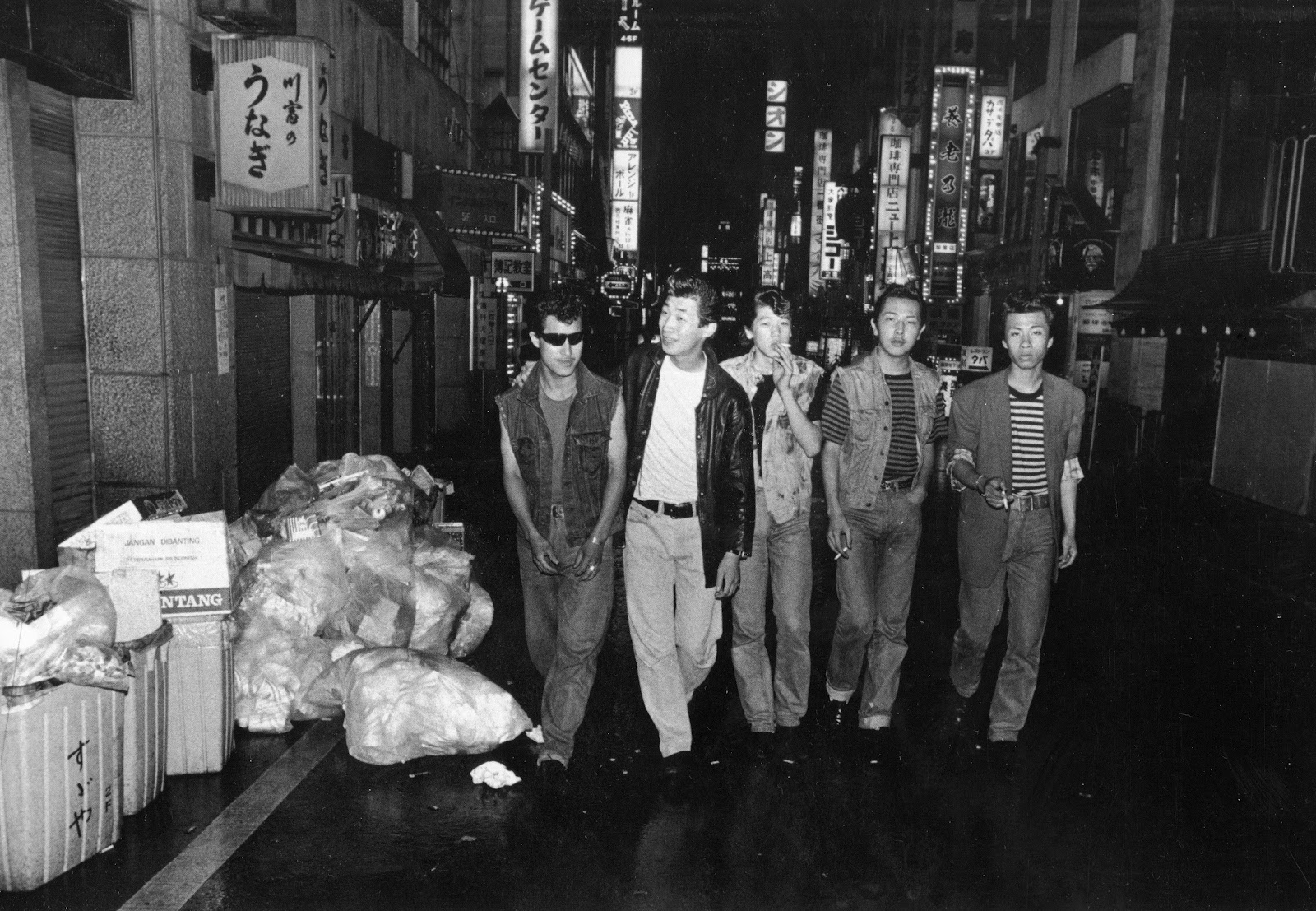




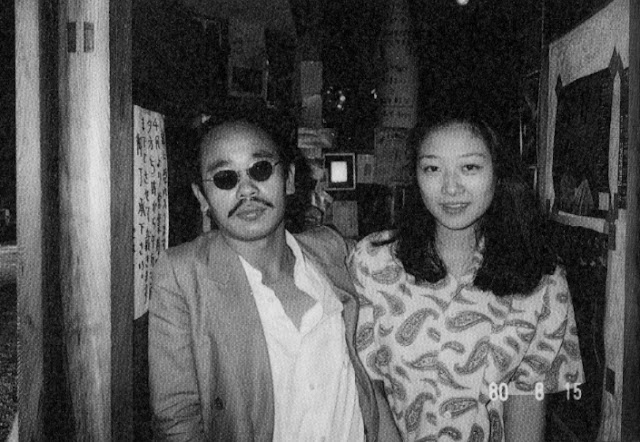
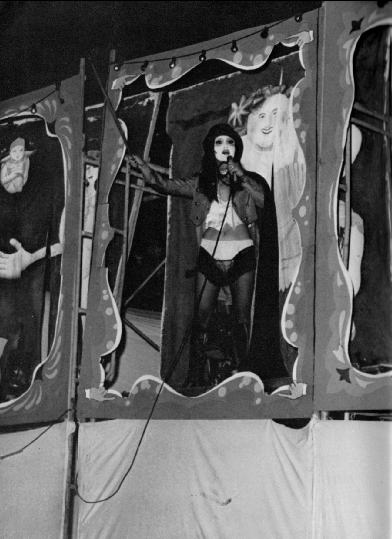
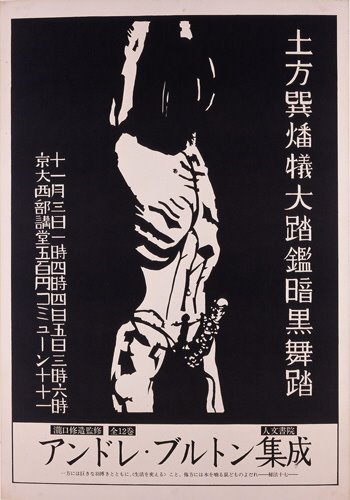
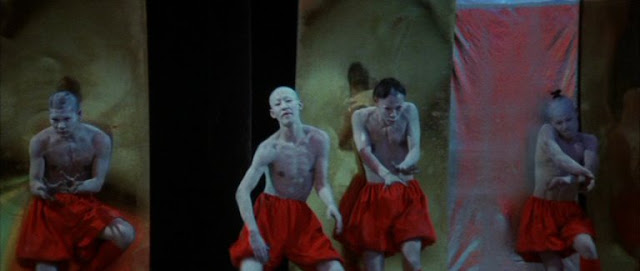
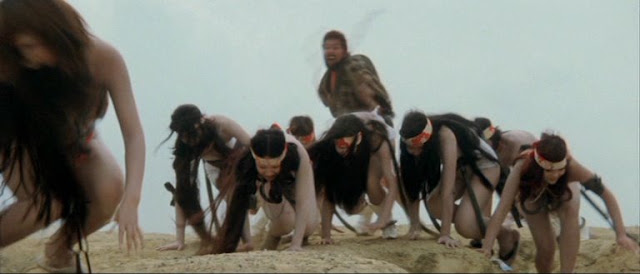
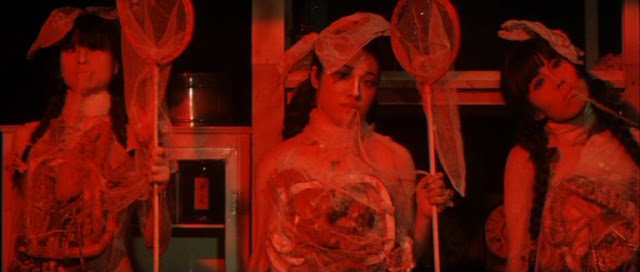
Parmi les gangs de Kabukicho, on croise l’un des rois de Shinjuku : Terayama Shuji !